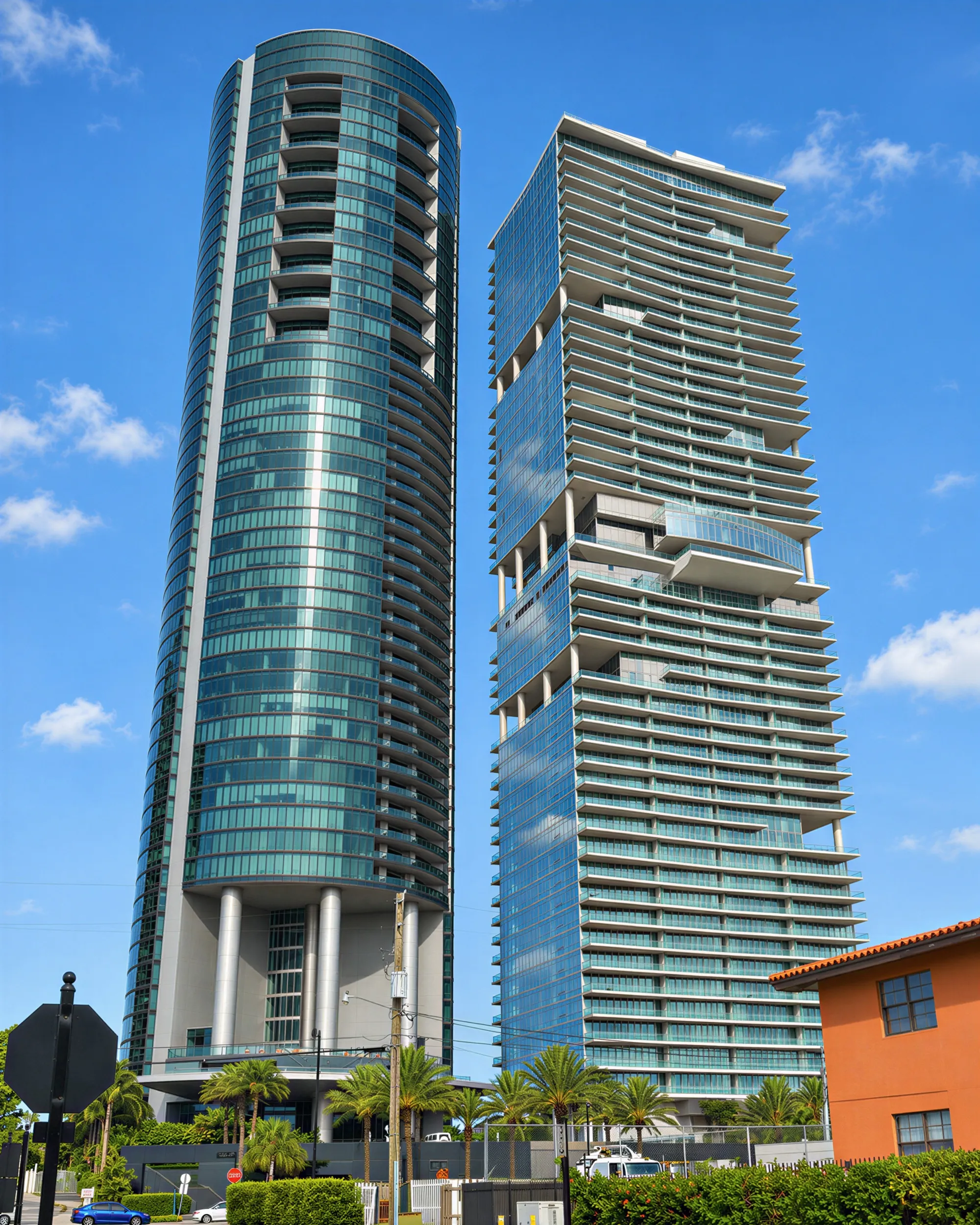
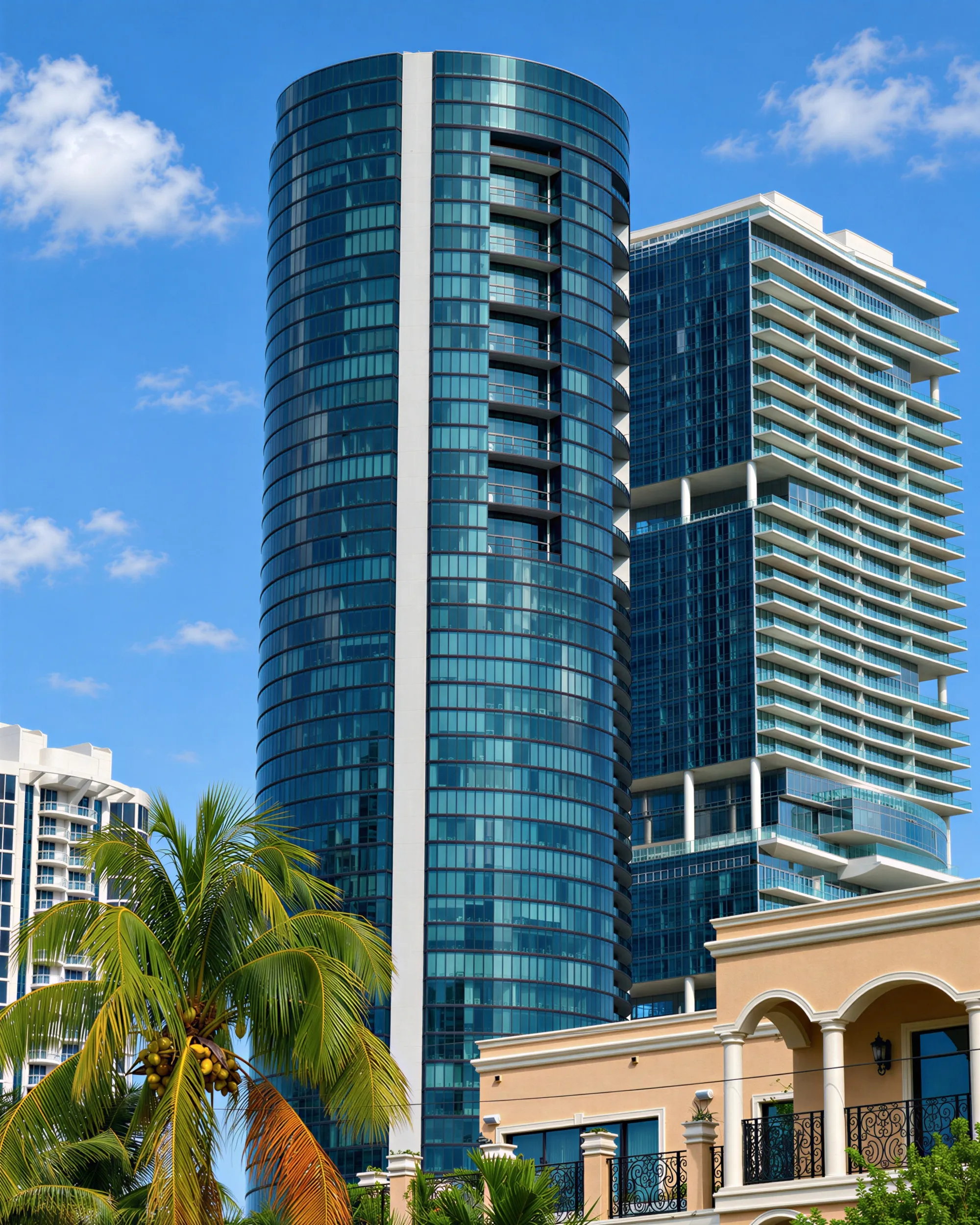
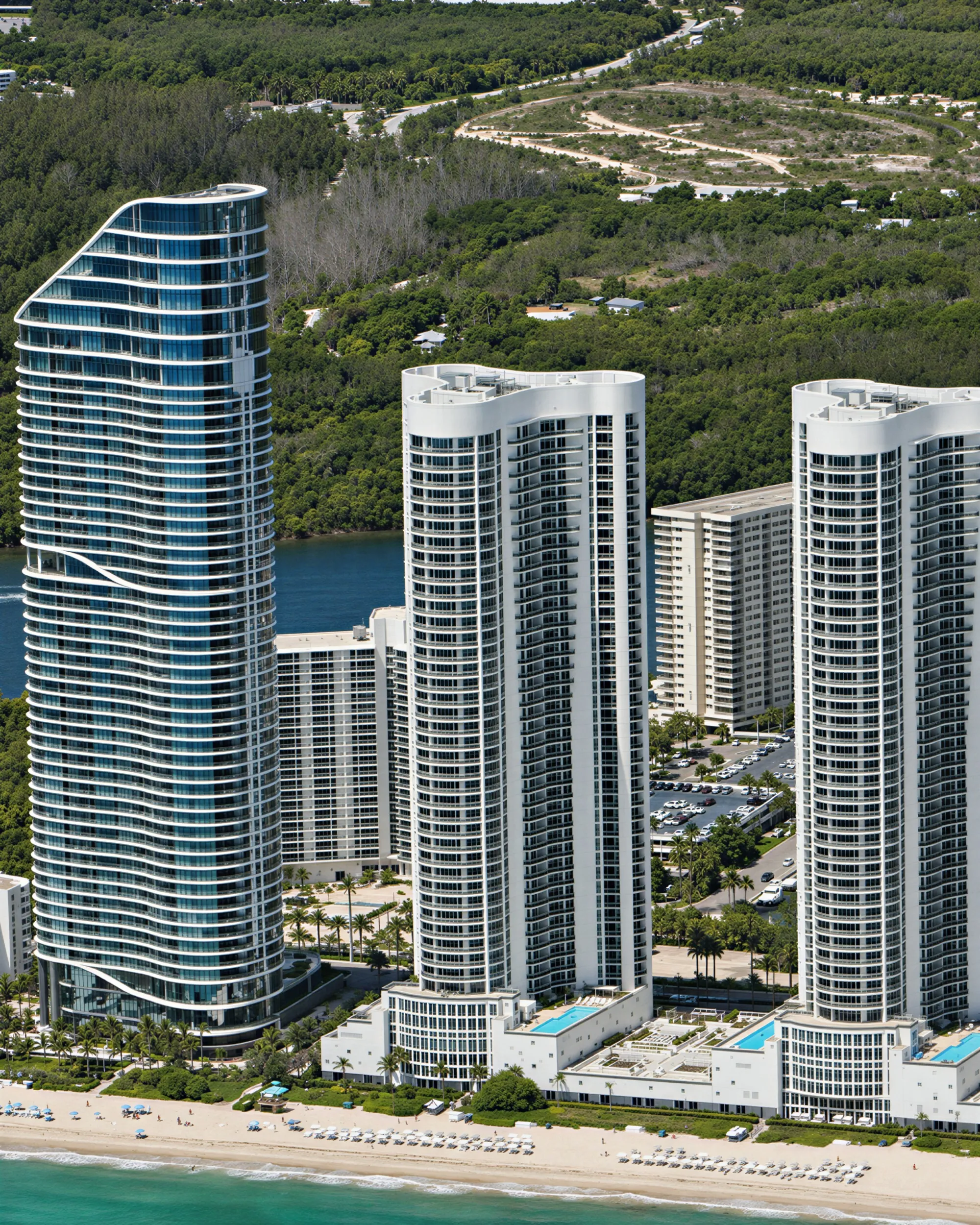
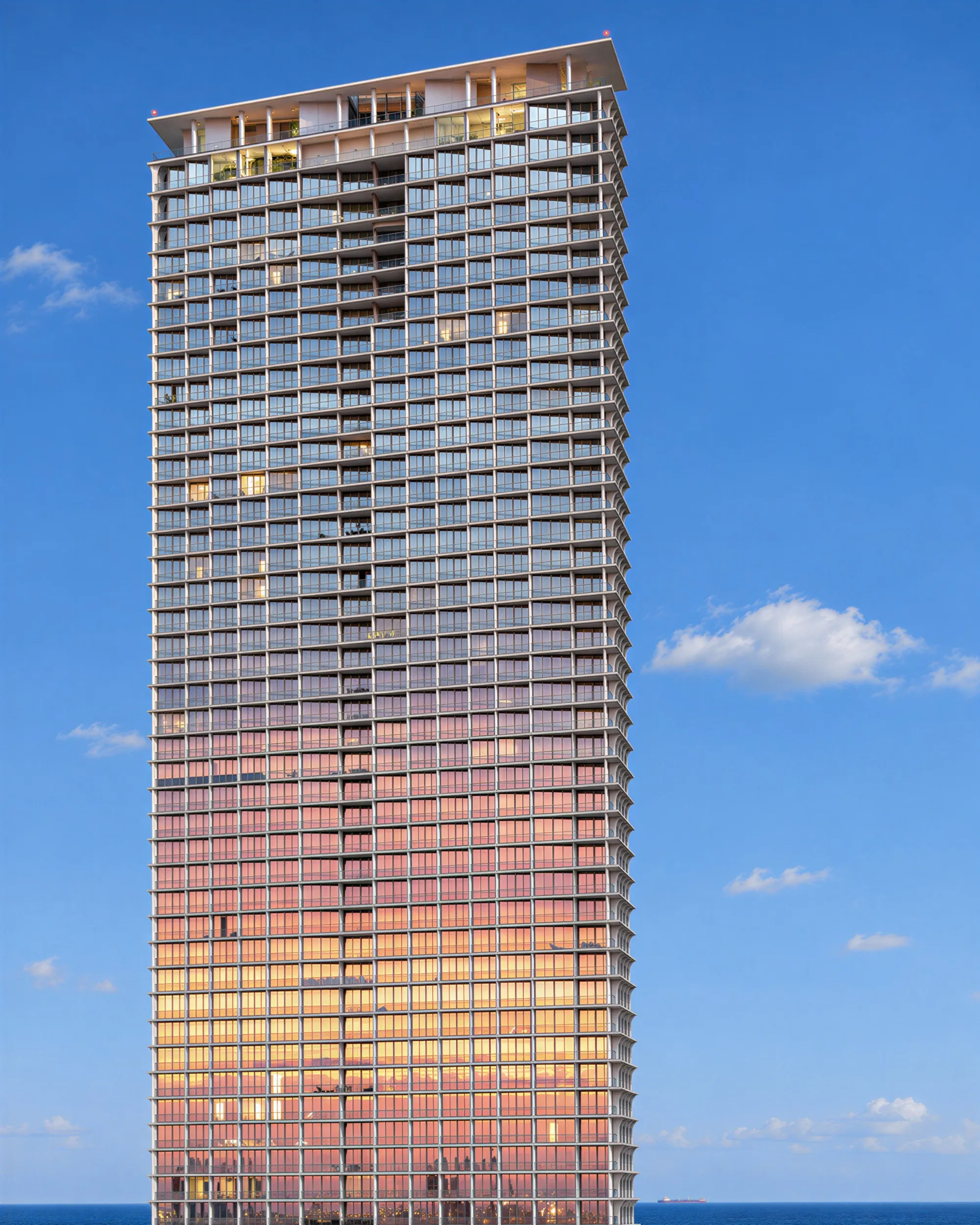
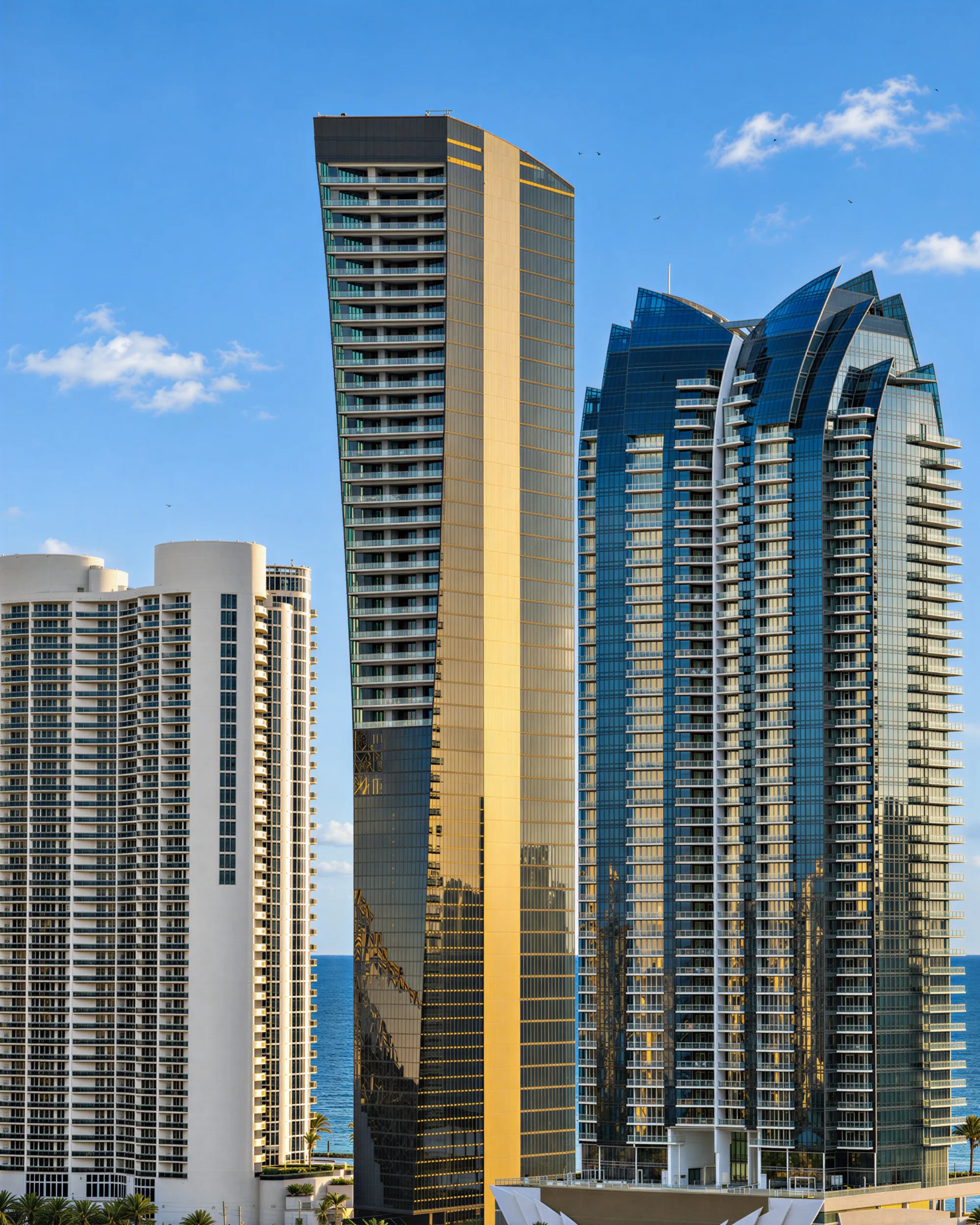
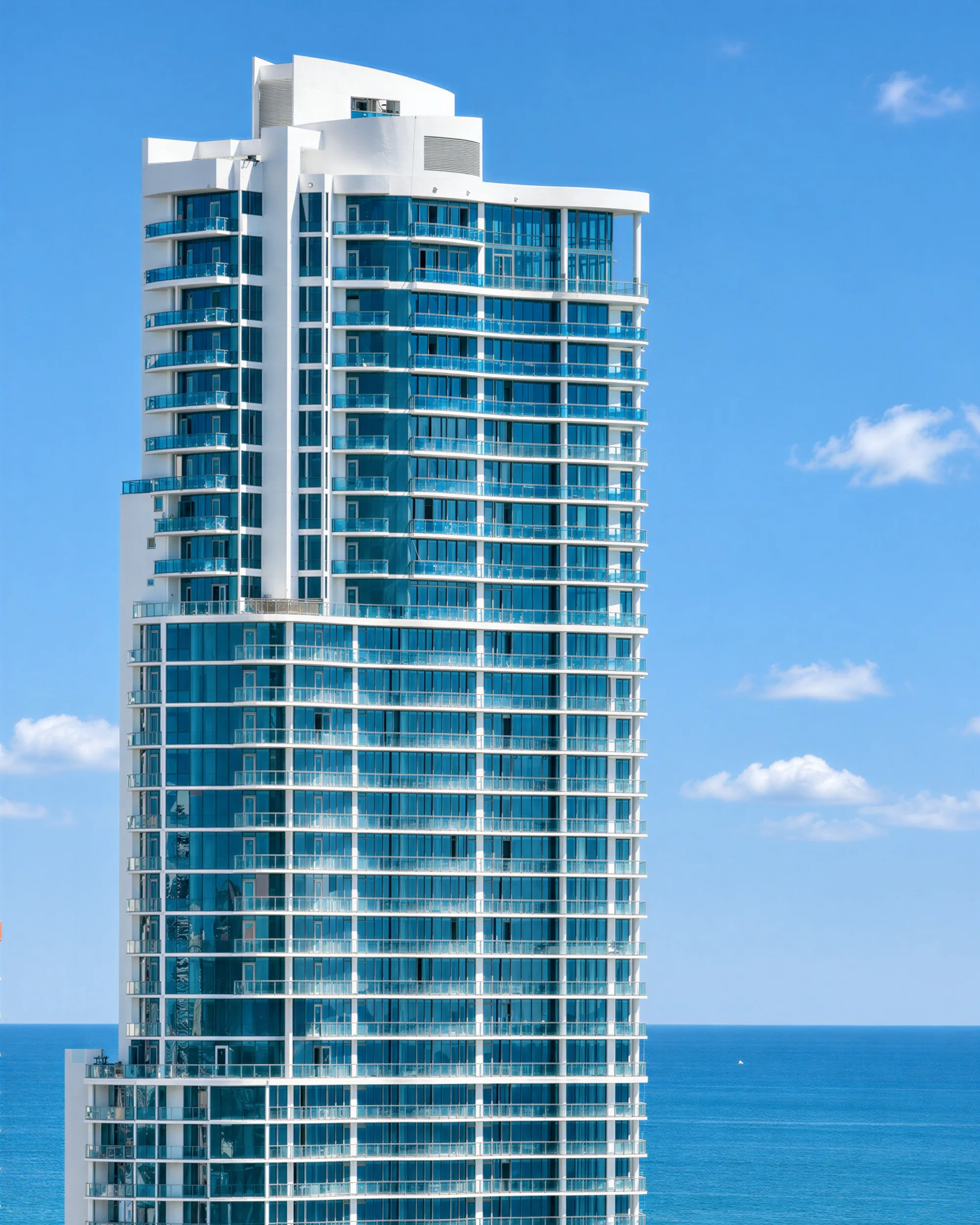
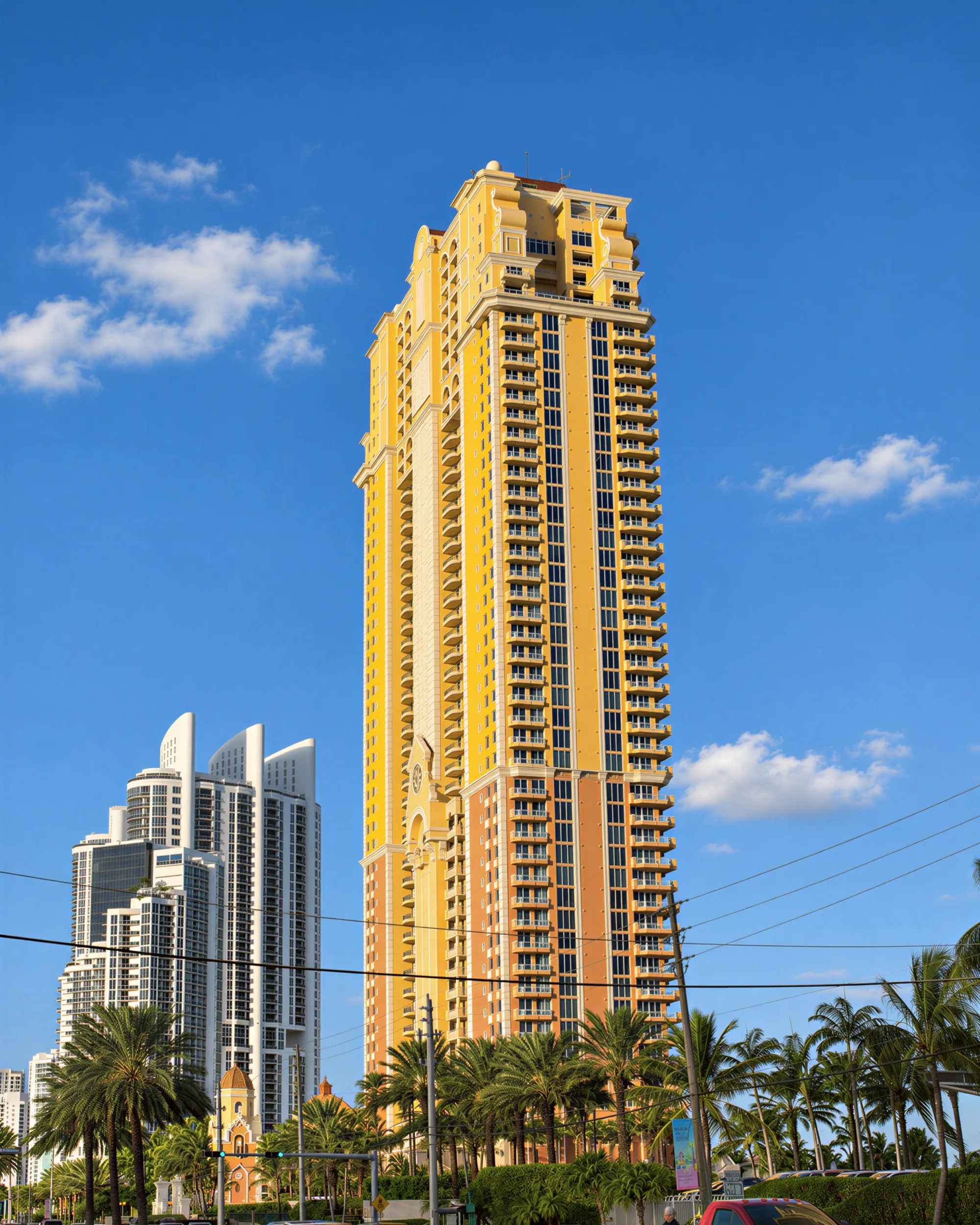
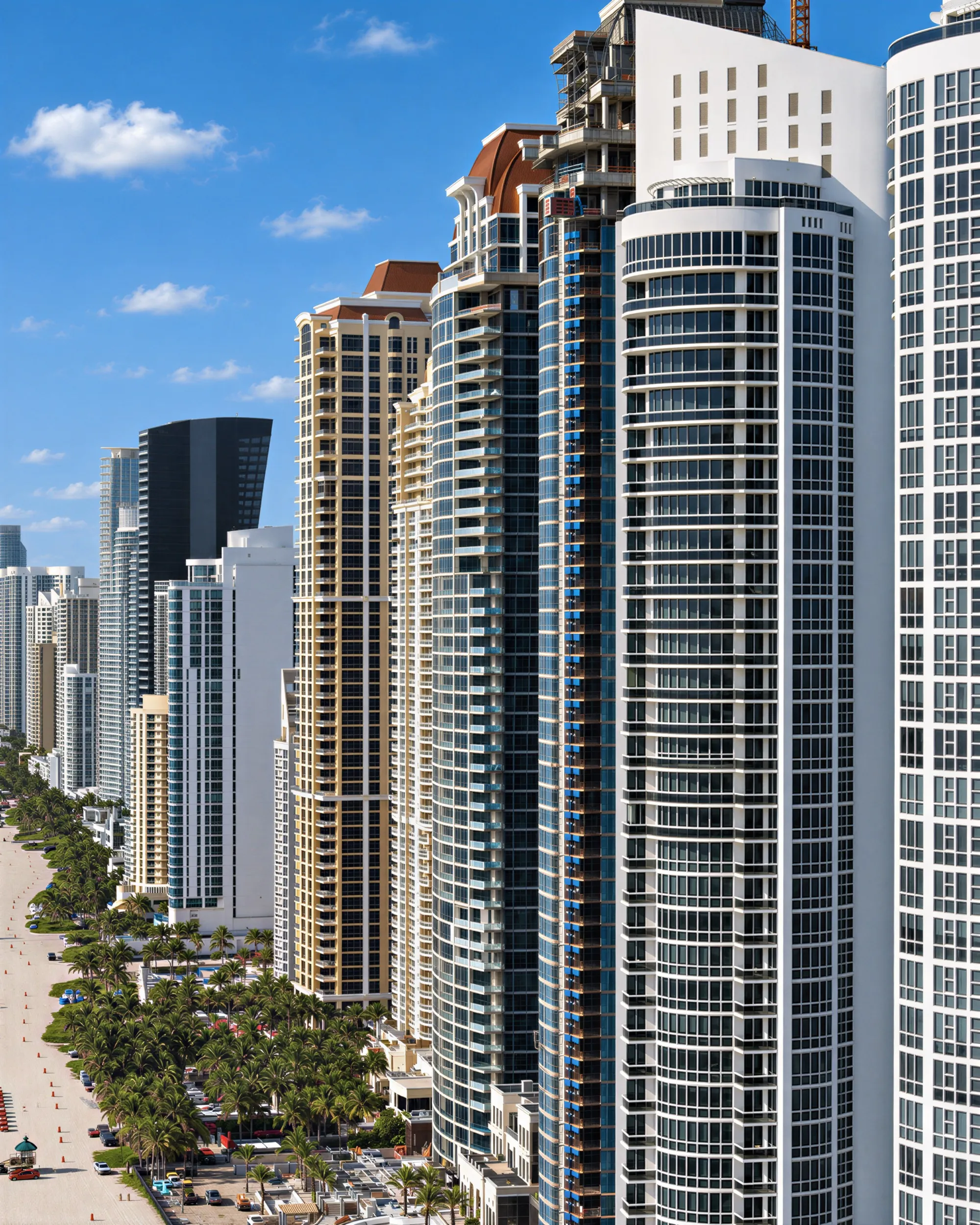
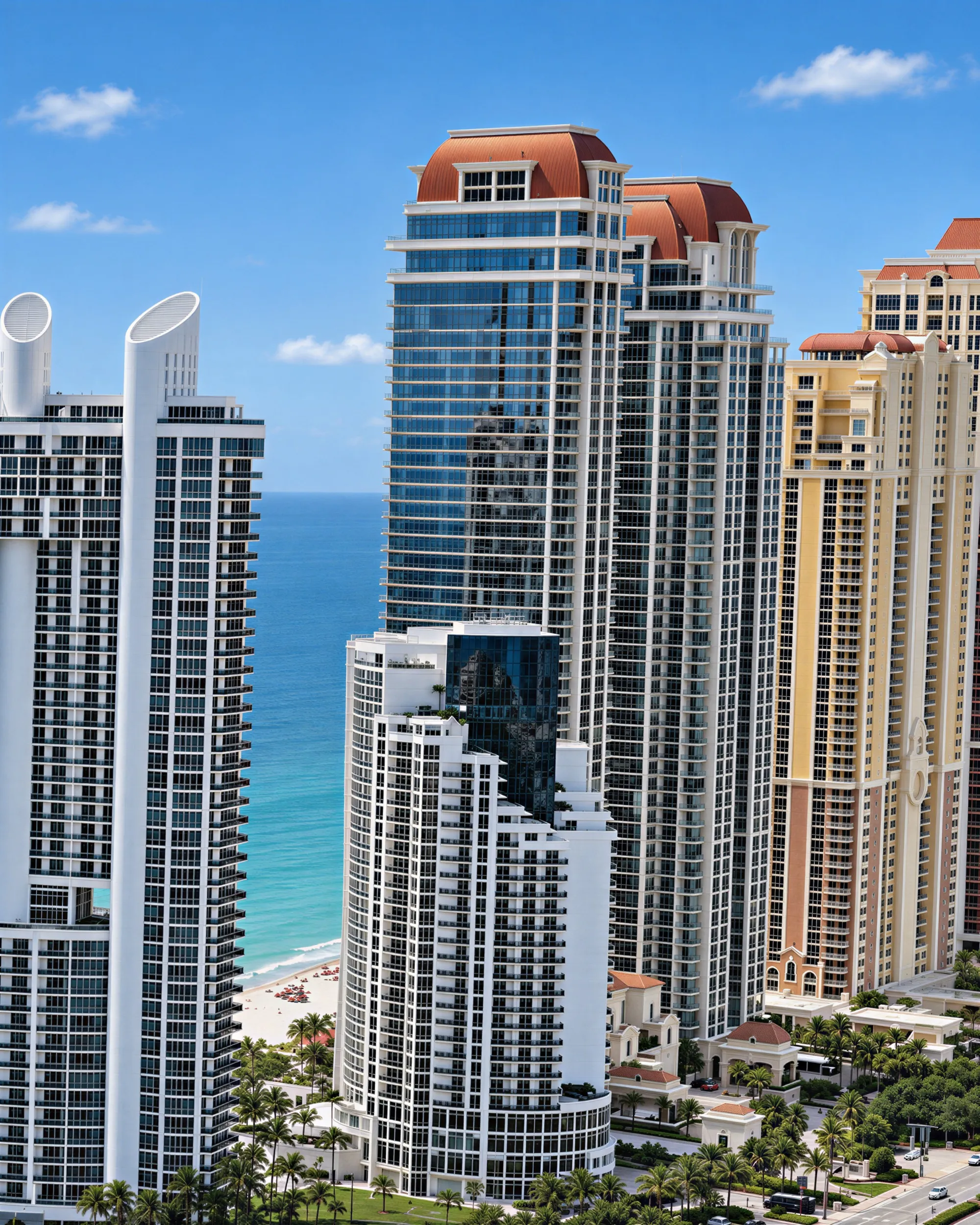
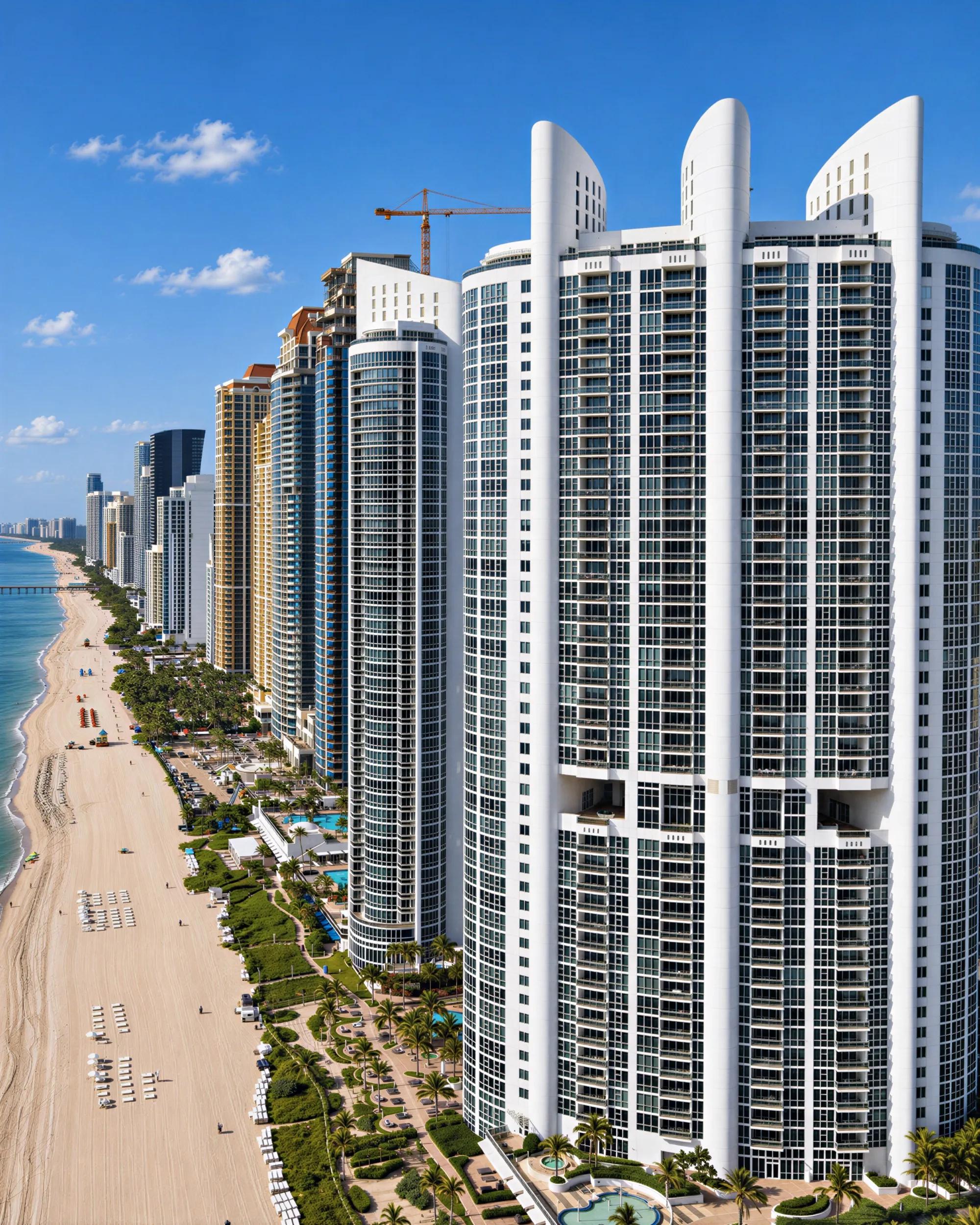
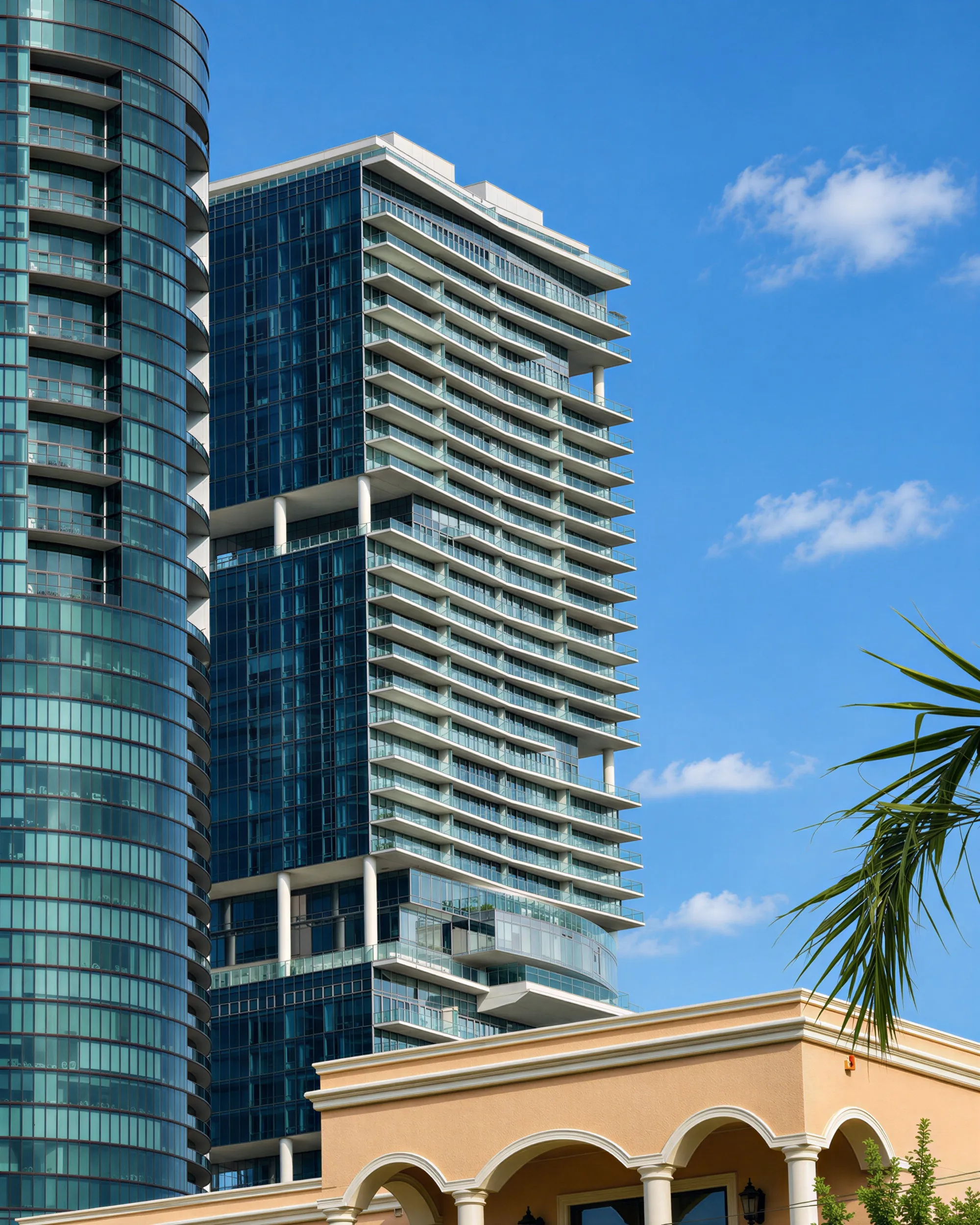
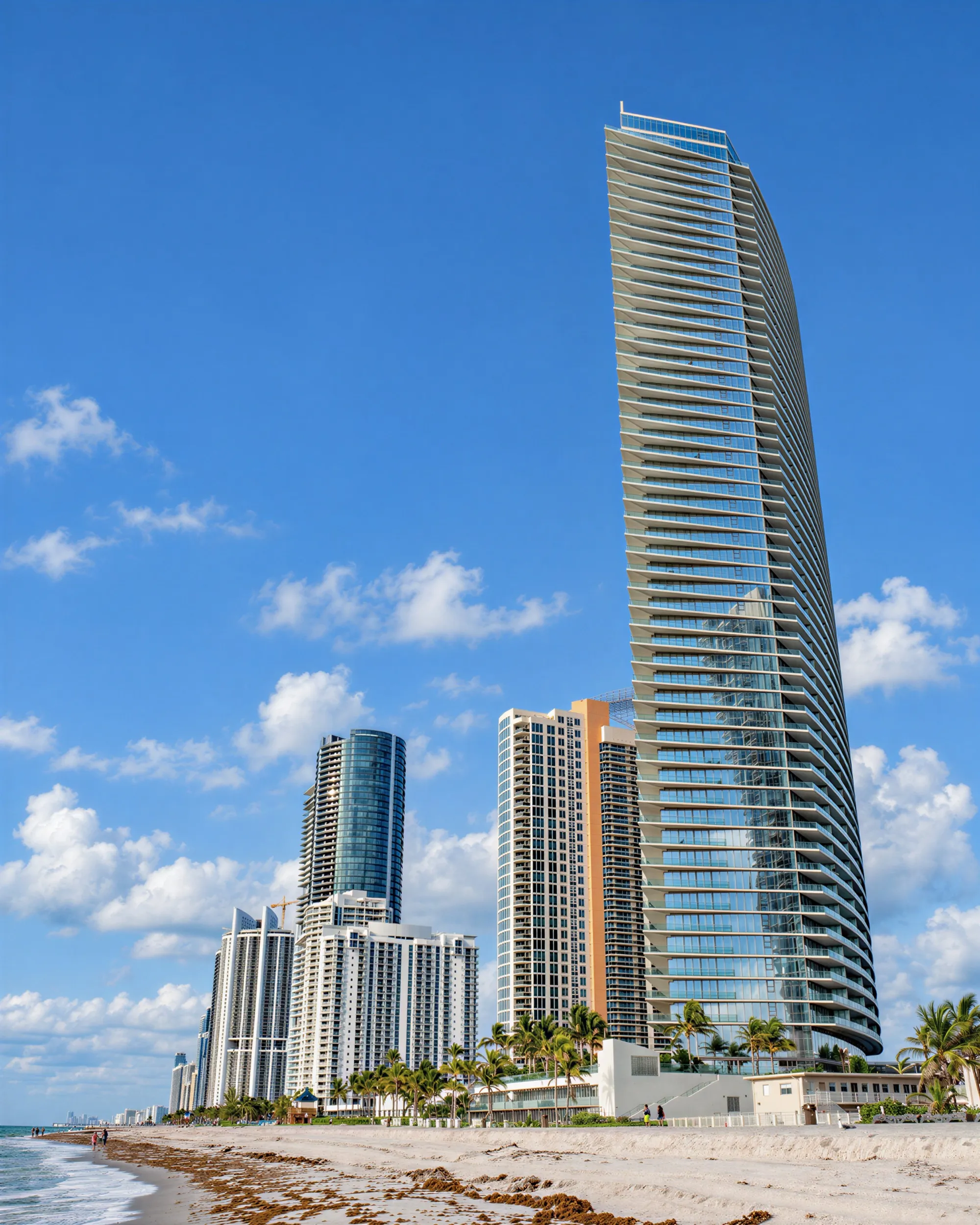
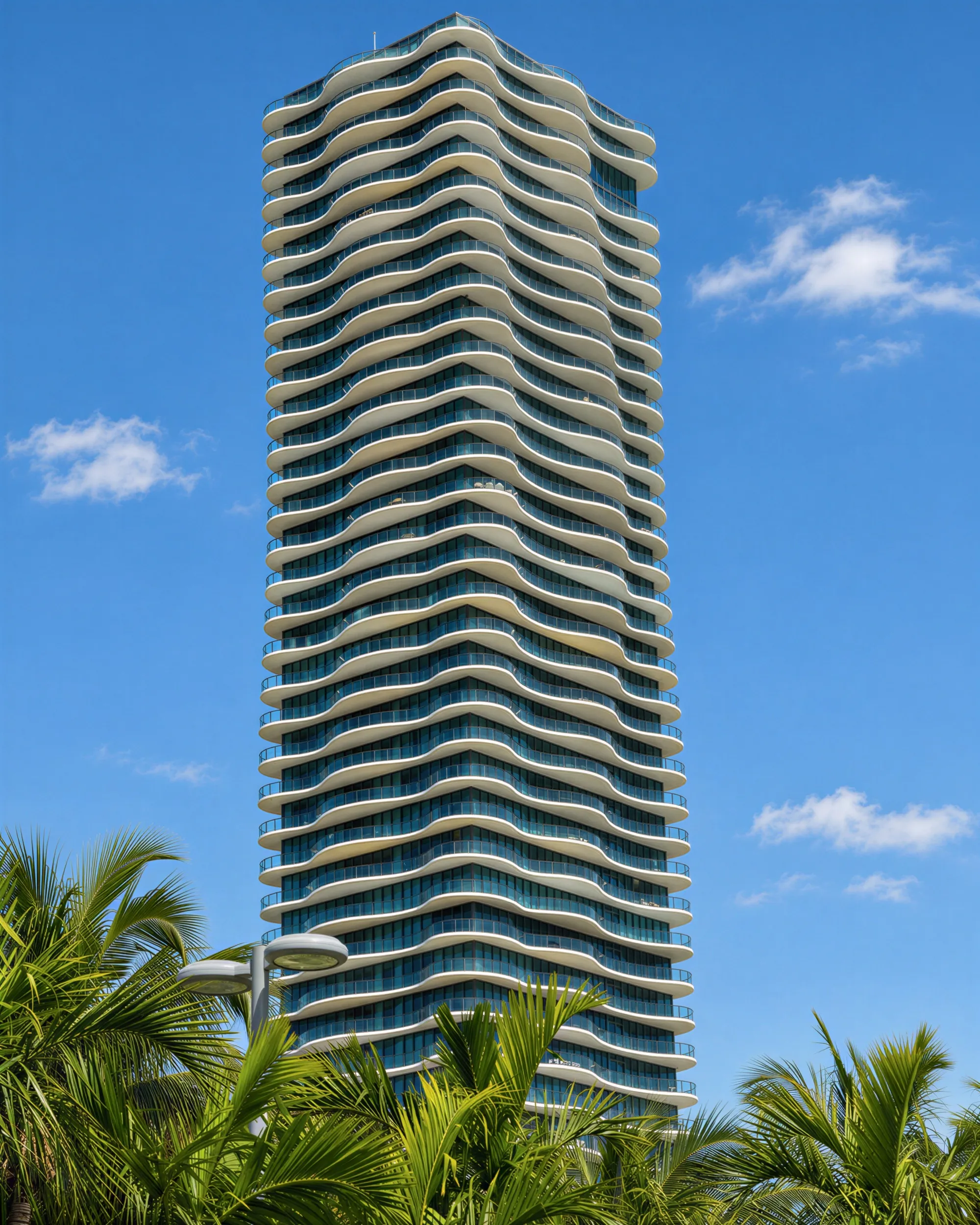
The revised flood maps bring this building into FEMA's high-risk flood area. From 19 February 2027 its map point lies in Zone AO, an area of shallow flooding where the figure given is the expected depth of water: 3 feet here. On the current maps, in force since 11 September 2009, the same point lies in Zone X (unshaded), where flood risk is minimal.
Toward the beach the current maps show Zone AE, the area with a 1% chance of flooding in any year, at a base flood elevation of 9 feet (2.7 m). Nearer the water lies Zone VE, at 10 feet (3.0 m), where storm waves strike and building rules are strictest. A base flood elevation is the height water is expected to reach in a 1%-a-year flood, measured from the map's reference level (NGVD29 on the current maps), never a depth of water above the ground. In Zone AE a mortgage lender usually requires flood insurance.
On the revised maps the VE zone keeps a base flood elevation of 10 feet, now measured from a newer reference level (NAVD88). It begins about 40 meters east of the building's map point, against about 110 meters today: some 70 meters closer. These are readings of FEMA's National Flood Hazard Layer, not official flood-zone determinations.
Like all of Sunny Isles Beach and Golden Beach, the address sits in Miami-Dade Storm Surge Planning Zone B, where storm surge, the sea water a hurricane pushes ashore, is a risk from Category 2 storms upward. The county orders evacuations by each storm's track and projected surge, not by category alone.
Flood insurance. The National Flood Insurance Program (NFIP) covers up to $250,000 for a residential building and $100,000 for contents. A condominium association's building policy can reach $250,000 multiplied by the number of units, or $33 million for the 132 units in the recorded condominium. At these values, cover above the NFIP limits is bought privately.
Windstorm insurance. Citizens, Florida's state-backed insurer of last resort, may not write a unit owner's policy where the unit's combined dwelling and contents replacement cost is $700,000 or more. The threshold rises to $1 million in counties where the state insurance regulator finds too little competition. What counts is the cost of rebuilding and refitting the unit, not the price paid; the association's policy for the building is a separate matter. An insurance agent can say whether a given unit qualifies.